Courage in the Corral: Equine-Assisted Training for Self-worth
On a cozy loss early morning, I watched a teenager called Rowan stand at eviction, arms folded up, chin set like granite. The bay mare beyond cocked an ear, then left with a swish of her tail. Rowan considered me and stated, half kidding, half bristling, She dislikes me. We did not mount up or resolve anything ideal then. Instead, Rowan entered the sand, taken a breath out when, and examined the mare's rhythm. Ten silent mins later, with slower feet and an open position, Rowan increased a hand. The mare turned. Both walked side by side, both heads degree. No magical epiphany, just a straightforward minute of contact. For Rowan, it was the first sincere yes she had really felt in weeks.
That tiny yes is the heart of equine-assisted coaching. Not methods, not dominance, not flattery. Steeds fulfill individuals at the level of visibility. When the equine approves you at that degree, it becomes simpler to accept yourself.
What equines educate long prior to you grab a lead rope
Horses are victim pets, tuned to check out purpose. They observe where your eyes land, just how your breath climbs, whether your feet meet the ground with effect or care. In a herd, security depends upon harmony. A relaxed body with frenzied eyes indicates threat. So does an intense smile pasted over a tight jaw. That is why equines can be relentless, not in size or pressure, but in fidelity to what is true.
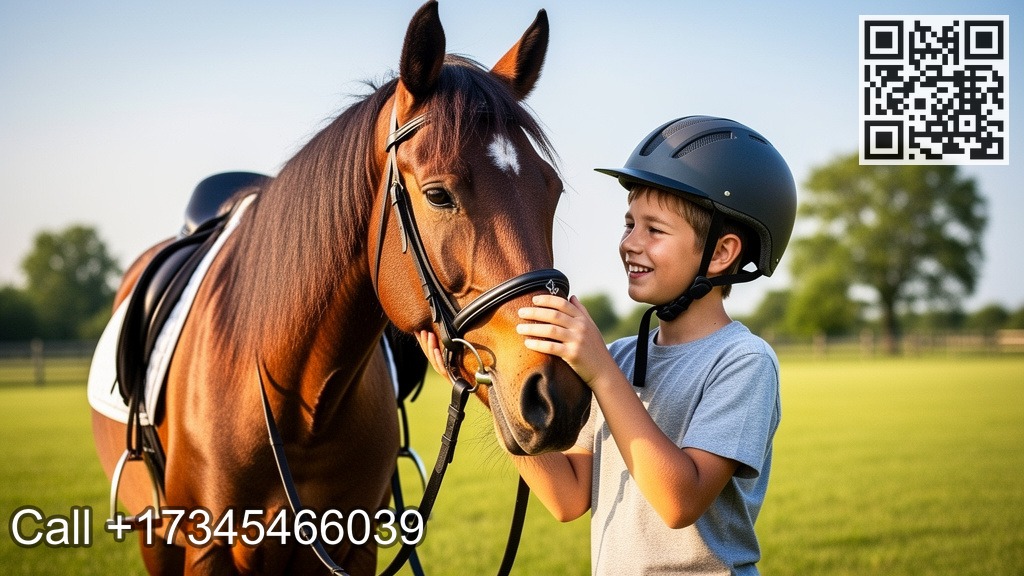
In the arena, this plays out in immediate, personified feedback. If you ask in a scattered way, the horse drifts. If you hold your breath and try to look positive, the horse is reluctant or pins an ear. When you settle your shoulders, soften your knees, and believe your own boundary, the equine action in, usually with a sigh. For individuals whose self-confidence has been shaped by blended messages, objection, or injury, this clear mirror is a relief. You do not need the excellent words or a flawless history. You require consistency in between within and outdoors. Equines show you when you have it, and when you do not, without judgment.
This is where equine-facilitated wellness varies from motivational posters or quick-fix guidance. It is not theoretical. The knowing takes place in your nerves, not just in your head. You feel the change, the yes, and your body remembers.
Coaching, treatment, and the spectrum of equine-assisted services
People frequently ask just how equine-assisted coaching lines up with psychiatric therapy, healing horsemanship, and other equine-assisted activities. The short variation: it lives in the training lane, which concentrates on goals, ahead motion, and abilities transfer, while drawing on the steed's existence as a co-facilitator. It is not trauma handling. It is not clinical diagnosis or clinical treatment. In several programs, a licensed instructor partners with an equine expert to design safe, on-the-ground exercises. Some centers additionally use licensed mental health solutions, or healing riding for electric motor and equilibrium objectives. Those fall under the larger umbrella of equine-assisted services.
The differences issue due to the fact that great boundaries build depend on. A client recovering from acute trauma might function first with a therapist that makes use of equine-facilitated coaching abilities within a professional container. A business group could schedule a single day of team building with horses to exercise communication. A parent may search for ADHD equine learning assistance to assist a child try out focus in a low-verbal, movement-rich setup. The equine is present across these offerings, however the intention, training, and safety protocols differ.
Self-esteem is not a pep talk, it is pattern recognition
Confidence is frequently framed as an attitude you can choose. In method, it turns up as a pattern of successes your body trust funds. That is why equine-assisted coaching go for duplicated, doable wins. Can you come close to a gelding in a round pen with a clear strategy and readjust when he flicks an ear? Can you https://blogfreely.net/galairgwxr/round-up-consistency-group-structure-with-horses-for-communication-abilities set a boundary with a pushy mare without surging into rage or shrinking right into appeasement? Each time you act congruently and see the equine respond, you lay a brick in the foundation of pride. Over 8 to twelve sessions, clients report more ease speaking out in meetings, smoother transitions in the house, and much less fear in circumstances that used to feel overwhelming.
I keep a run-down notebook with basic steps. Customers rank their capability to ask for aid, claim no, tolerate silence, and handle responses. We rack up these on a 1 to 10 range at the start, mid-point, and end. We also jot down body pens, like how rapidly someone's breath slows down after a shock, or whether their hands tremble when initial entering the herd. These are not lab-grade actions, yet they give texture. One client relocated her self-advocacy score from 3 to 7 throughout 9 weeks. The equine she favored went from crowding her area to matching her pace at a constant arm's length. She later on told me she negotiated her workload with her manager without a migraine headache for the first time in two years.
Inside a session: a peaceful choreography
Sessions commonly run 60 to 90 mins, and almost all of the job is unmounted. We stay at the equine's level, because the objective is understanding, not horsemanship medals. A common arc consists of a basing check-in, safety evaluation, a short workout with a pleasant horse, after that 1 or 2 jobs that ask for a stretch. The end includes representation that links field learning to daily life.
Here is a basic session flow that functions well for building self-confidence:
- Arrival and nerve system check: notice breath, position, and what feels supported or open.
- Safety rundown and consent: evaluate the steed's signals and agree on clear quit language.
- Meet and greet: halter off, hang back, observe. After that technique with mentioned intention.
- Task: for example, leading at liberty via a pattern that requires turns, pauses, and restarts.
- Debrief: harvest a concrete takeaway and a little activity to examination throughout the week.
Even within this framework, no two days look the very same. A customer could begin with a plan to practice boundary setup, just to face despair when a gelding brushes her shoulder and reminds her of a long-dead horse from youth. We decrease, mark the sensation, and return to the job without forcing. Another customer may really feel squashed by stress and anxiety at the gate, so we step outside the arena and do the job over the fence, sending and drawing with nothing more than stance and breath. I have yet to see someone discover much less because we reduced the range or lowered the ask. The body learns when it is ready.
The function of somatic understanding, and why horses help
Somatic recovery with steeds is not regarding catharsis. It is about titration. The steed, with a 1,000-pound nerves, normally regulates around steady stimuli. When you soften your jaw and allow your eyes defocus, numerous steeds will mirror that. Their lick and eat, their reduced head, can entrain your system right into a steadier rhythm. This is not magic, it is co-regulation. The method is to use it responsibly.
We beginning with tiny somatic check-ins. Where do you feel solid? Where do you really feel hollow? Can you stand with soft knees and infuse your back ribs? Now, ask for a single progression from the horse. Then quit. Call what modifications inside you when the steed reacts. Many customers find that the minute of asking, not the motion itself, sends their heart price up. That cue ends up being an abundant place to exercise. With time, the body learns that asking does not equivalent threat. That change can transform just how commonly you offer an opinion, ask for clearness, or set a restriction outside the arena.
Working with anxiety, ADHD, and sensory profiles
Equine-assisted mentoring often tends to attract people that think and really feel extremely. For anxiousness assistance with steeds, we design tasks that stabilize unpredictability without flooding the system. A typical relocation is to work with a pattern that has clear sides, like a figure-eight of cones, and afterwards add an option factor. Will you transform early or late? The equine reviews the moment you decide, which aids customers catch the 2nd they think twice or overcontrol. Breathing is not homework, it ends up being a device linked to an end result you can see. Take a breath tight, and the equine drifts. Breathe freely, and the steed steadies.
For clients seeking ADHD equine learning support, the field ends up being a kind educator. Equines do not penalize fidgets, however they respond to clarity. We reduce guidelines, lock phones in the tack room, and set time boxes determined in laps as opposed to minutes. The task may be this: lead at a stable walk for 2 laps, after that stop and damage at the withers for three breaths. Then transform instructions. That rotation of focus and remainder matches many ADHD nervous systems. If attention wanders and the horse stops following, feedback is instant and non-shaming. We also welcome motion during reflection. Pacing along the rail while talking frequently produces even more insight than resting on a bench.
For people checking out an autism equine learning program, the sensory world of the barn issues. Hay dirt, unequal ground, sun flashes off pails, all of it can flooding or calm. We plan check outs throughout peaceful hours, dim barn lights when possible, and deal clear, aesthetic sequences. Some clients like deep pressure from brushing or the rhythm of pressing a wheelbarrow. Verbal handling may be very little. Permission ends up being an exercise with the horse's body. May I brush your shoulder? The steed responses with a lean-in or a shift away. That back-and-forth shows timing, limitations, and common regard without social manuscripts that can feel weak or confusing.
Many families show up requesting for a different therapy for sensory difficulties. Coaching is not treatment, and we state that aloud. Still, structured, experiential knowing with steeds can be a solid accessory. I have enjoyed kids who battle to endure crowded class discover simplicity calling what they see in a field, due to the fact that absolutely nothing there requires eye get in touch with or dealt with position. I have seen adults who dread health clubs uncover toughness by dragging a heavy mat across sand, laughing when an interested gelding includes resistance by stepping on the edge.
Stories from the rail: little success that stick
A software application job manager in her forties might not quit saying sorry. She claimed sorry to the horse, to the wind, to the gate. We negotiated that she might ask forgiveness as long as she liked, yet just after she made a specific ask. In week two, she dealt with a constant mare and stated, Please walk with me at my shoulder. The mare followed. She began to claim sorry and afterwards, hands on lead, giggled. She did not ask forgiveness once more for the rest of the session. 3 weeks later on, she ran a conference without claiming sorry as soon as. She placed the number on a sticky note to advise herself. Zero.
A secondary school wrestler with a challenging outside wished to relocate much faster, constantly. The gelding he collaborated with had one speed: slow-moving. During a pattern of cones, the wrestler maintained pressing and the horse maintained stopping. We attempted a different tack. Suit his rate initially. Then see if he will match yours. The customer took a breath out, matched, and a min later on both relocated efficiently with each other. When asked what altered, he claimed, I quit attempting to drag him where I intended to be and began strolling where we were. He carried that sentence right into practice, after that into a conversation with his father. That is transfer.
A little nonprofit came for group building with steeds after a rough year. They had actually lost a grant, taken on additional workload, and misfired on communication. In the sector, their task was to relocate 3 equines from one end to the other without halters or touching the pets. Voices rose, people split, and the steeds sat tight. We paused. One staffer, newer and peaceful, used to work with. The group concurred. She stood still at the center, established clear roles, and the horses moved like water. Back at the office, they restructured meeting facilitation to share authority and developed an easy run of program. Six weeks later on, the supervisor emailed to state their check-ins were much shorter and kinder, and their program metrics were back in range.
How this work varies from riding lessons and why that matters
Therapeutic horsemanship, sometimes called flexible riding, concentrates on riding abilities and might deal with physical balance, motor preparation, and self-confidence in the saddle. Lessons have structure and usually finish in independent riding. Equine-assisted coaching, by contrast, keeps both feet on the ground. The ability is relational existence, not publishing trot. There is overlap, certainly. Both call for clear asks and common trust fund. But I have actually seen proficient riders miss the subtler cues that mentoring calls out, equally as I have actually seen complete newbies find deep steadiness within a first session.
Mounted job can be part of a training plan in some programs, especially when rhythm and equilibrium sustain a client's goals. If we ride, it is typically bareback with a pad or at a stroll in a basic sector to increase comments. If someone's identity is wrapped up in technological riding skill, we could skip tack entirely to fulfill the work on fresh ground.
Risks, limitations, and what we do when things go sideways
Arenas are not laboratories. Steeds have backgrounds and state of minds. People do also. From time to time, a well-planned job untangles. The gelding that is typically unflappable resents at a new hat. A client that rarely talks bursts right into rips when a mare infuses her palm. Security and consent direct the response. We slow down or stop. We swap steeds. We tip outside the rail and work the strategy from a distance. If the material borders right into clinical area, we refer or co-treat with a mental health specialist. That boundary secures the customer and the horse.
Not every customer flourishes in this setting. Some choose verbal processing much from dust and animals. Some locate animal changability unbearable. That is fine. Training must fit the individual, not vice versa. I make space for apprehension. The only people I carefully steer somewhere else are those who want quick results without practice, or that arrive bent on controling a horse to prove something. The job asks for humility and humor. If you can not make fun of a horse ignoring you, the field will be a hard teacher.
Measuring adjustment you can really feel and defend
Anecdotes issue, but I likewise such as concrete pens. We use brief pre and post stocks on self-efficacy, communication convenience, and tension. We track session-by-session objectives satisfied and note physical cues like breath recovery time after startle. For business groups, we gather 30- and 90-day responses on conference circulation, problem resolution time, and team turn over danger. Many teams show improvement on two or three of those metrics. Not every dataset is neat. Climate terminates a session, a preferred horse obtains sore, or a client's life tosses a curveball. Still, over dozens of mates, trends hold: even more in agreement interaction, better border clearness, boosted tolerance for uncertainty.
Choosing a program and establishing yourself up for a solid initial day
The field of equine-facilitated mentoring has actually matured, however quality differs. Credentials help, though they are not the only marker of wisdom. A solid program will certainly be transparent, slow-moving to assurance, and fast to safeguard.
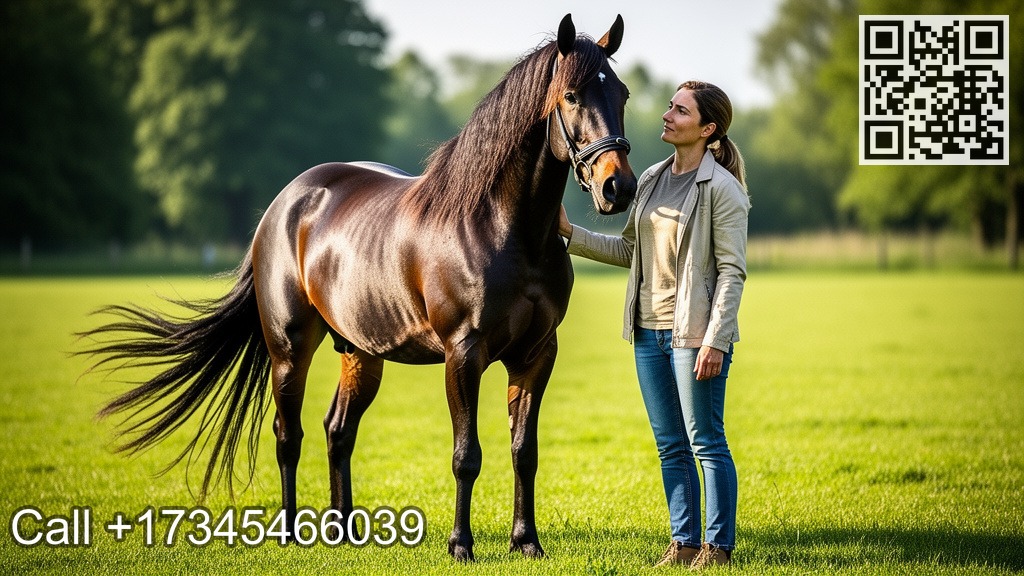
Consider these five factors when you search for a service provider:
- Training and range: Ask about training accreditations, equine handling experience, and how they set apart training from treatment or restorative riding.
- Safety and well-being: Search for safety helmets on site, clear emergency situation strategies, soft ground, and interest to steed well-being, consisting of rest days and herd life.
- Consent and pacing: Notice whether they request for your authorization, read your comfort level, and adapt strategies without drama when you or the horse say no.
- Transfer to life: Ask just how they connect arena experiences to concrete activities you can try in the house or work in between sessions.
- Fit and access: Make clear price, session size, seasonal routines, and lodgings for sensory preferences or flexibility needs.
A great intake collections tone. We will certainly ask about your goals, triggers, allergic reactions, and prior horse experience. We will additionally discuss garments. Closed-toe shoes with walk, layers you can lose, and sunglasses if glare troubles you. Bring water. Leave your watch and phone in the tack area unless we are timing tasks for a factor. Anticipate the initial session to feel slower than your schedule suches as. That is by design.
Cost, access, and imaginative means to participate
Prices vary by area and qualifications. Exclusive training sessions in my area run approximately 90 to 175 dollars for 60 to 90 minutes, with discount rates for plans. Group team structure with equines for organizations can vary from 1,500 to 6,000 bucks each day depending on team dimension and assistance depth. Some facilities use gliding scale spots or scholarship funds under the more comprehensive banner of equine-assisted tasks or equine-assisted solutions. Neighborhood colleges and young people programs sometimes partner with barns for lower-cost experiential discovering with equines. If cost is an obstacle, ask about monitoring days, volunteer shifts that consist of training, or shorter seasonal collection. I have seen clients do well with a six-week sprint in spring or autumn, after that return for booster sessions after large life events.
What the equine asks of us
We talk a lot about what steeds can do for individuals. The various other fifty percent of the formula is what individuals owe the equine. Generosity, patience, and clear asks. Routine farrier treatment, good hay, time in a herd, and sufficient space to move. Horses give feedback honestly and without grudge. It is on us to maintain the job fair and to end sessions before anybody, human or equine, is fried. I have reduced sessions short at 35 mins due to the fact that the wind rattled the tin roof covering and both types were edgy. No growth worth having rest on pressing the last drop from a day like that.
A note on language and expectations
The field is thick with terms. Some programs say equine-assisted coaching. Others prefer equine-facilitated training. Some plan the job as equine-facilitated wellness. What issues more than the tag is the experience inside the rail and what changes after you leave it. If a program depends heavily on aura or insists that the steed constantly understands your deepest fact, be careful. Horses review bodies. They do not check out minds. That, to me, is sufficient. The sincerity of your breath is a big thing to meet.
When an equine claims yes, and you do too
Back to Rowan, the teen at eviction. In week four, we set a little obstacle. Lead the bay mare at liberty with a triangular of poles, then stop with both feet inside the form and rest together. The first attempt petered out. Rowan got distressed and the mare began munching at a cone. We stopped. What would certainly suffice? Rowan claimed, If we make it via, also careless, and I can breathe once. They attempted once more. Halfway through, the mare balked. Rowan softened her knees, taken a breath, and waited. The mare stepped in. As they stopped, both decreased their heads nearly in sync. Rowan searched for, eyes intense, and stated, That felt like me revealing up.
That felt like me. Not I overcame, not I performed. I showed up. If there is a cleaner definition of self-worth, I have actually not located it. Equines, consistent in their very own skins, welcome us right into that feeling. We do not need to make it with achievements or win it with the sharpest words. We exercise it detailed, breath by breath, until one day we locate ourselves in the center of 3 poles, standing beside a friend with a tail, and recognize we belong there.
If you wonder, find a barn that places partnership initially. Ask questions. Go gradually. Stand at the fence and look for a while. If a horse snaps an ear and turns towards you, consider it an invitation to meet yourself much more totally. The remainder we will determine together, one quiet yes at a time.
Happy Hooves Wellness
9177 Gross Rd, Dexter, MI 48130
+17345466039
https://www.hhooves.com/